|
Dear ,
Last Saturday I held a seminar with the topic “Men and Women in Modern Relationships”. It was a wonderful group of people working in helping professions who wanted to understand these dynamics more deeply, knowing that relationship matters do not only affect the two partners, but their children and possible future bonds.
The foundation of our exploration was of course the “orders of love” and the “orders of helping”, together with personal and professional experience and case studies. I cannot share the whole day with you, but there was one insight that felt so fundamental that it called to become the topic of this newsletter.
In the past, relationships were often guided by clear external structures, social roles, family expectations, and economic necessity. These frameworks created order, even if they limited personal choice. People often stayed because they had to. At times, it was a matter of survival.
Modern relationships are freer than ever before. We can choose our partners, define our roles, and shape our bonds according to personal values rather than rigid social expectations. And many believe we can enter and leave relationships without lasting consequences. Partnerships today are built around romantic love and personal fulfillment, often with the impossible expectation that one partner should meet all our emotional needs.
With so much change and freedom, we might have expected relationships to become easier, happier, more fulfilled.
And yet, many experience the opposite. More confusion, more fragility, more issues, more break-ups. Why?
Because there is something that does not change. The dynamics of systems — in families, in partnerships, in life itself. We may overlook them, deny them, rebel against them. But we cannot erase them. Freedom does not place us outside these principles that govern human bonds. It only changes how they appear.
Belonging, time, responsibility and the balance of giving and taking still matter.
Even though partnerships are no longer primarily about survival, systemic bonds remain. Past partners, shared experiences, and family ties continue to live within present relationships. Freedom of choice did not erase belonging.
Equality and openness may offer freedom, but they can also bring ambiguity, hidden power struggles, and instability when responsibilities remain unclear. Freedom of roles did not dissolve order — it made it invisible.
Relationships today are expected to provide passion, security, friendship, and personal growth all at once. This makes the balance of giving and receiving far more fragile and complex. Freedom of choice did not erase belonging — it often ignores it.
The old structures have not disappeared; they have simply withdrawn from sight.
And perhaps this is the illusion: to believe that freedom alone is enough.
Freedom without honoring belonging becomes rupture. Freedom without awareness of order becomes disorientation. Freedom without responsibility becomes avoidance. And freedom without balance cannot sustain love.
Perhaps mature love begins when the illusion of limitless freedom ends and we begin to acknowledge and honor what is timeless and unchangeable.
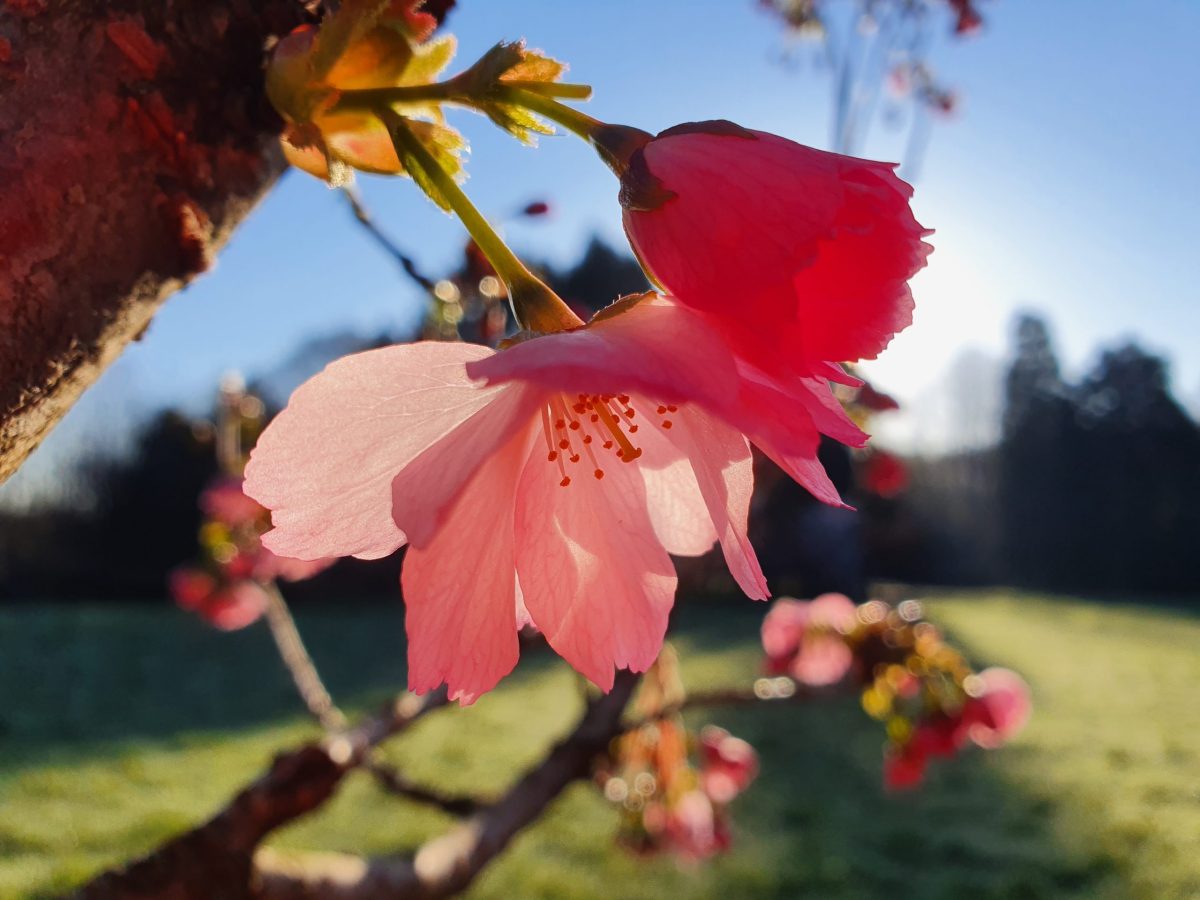
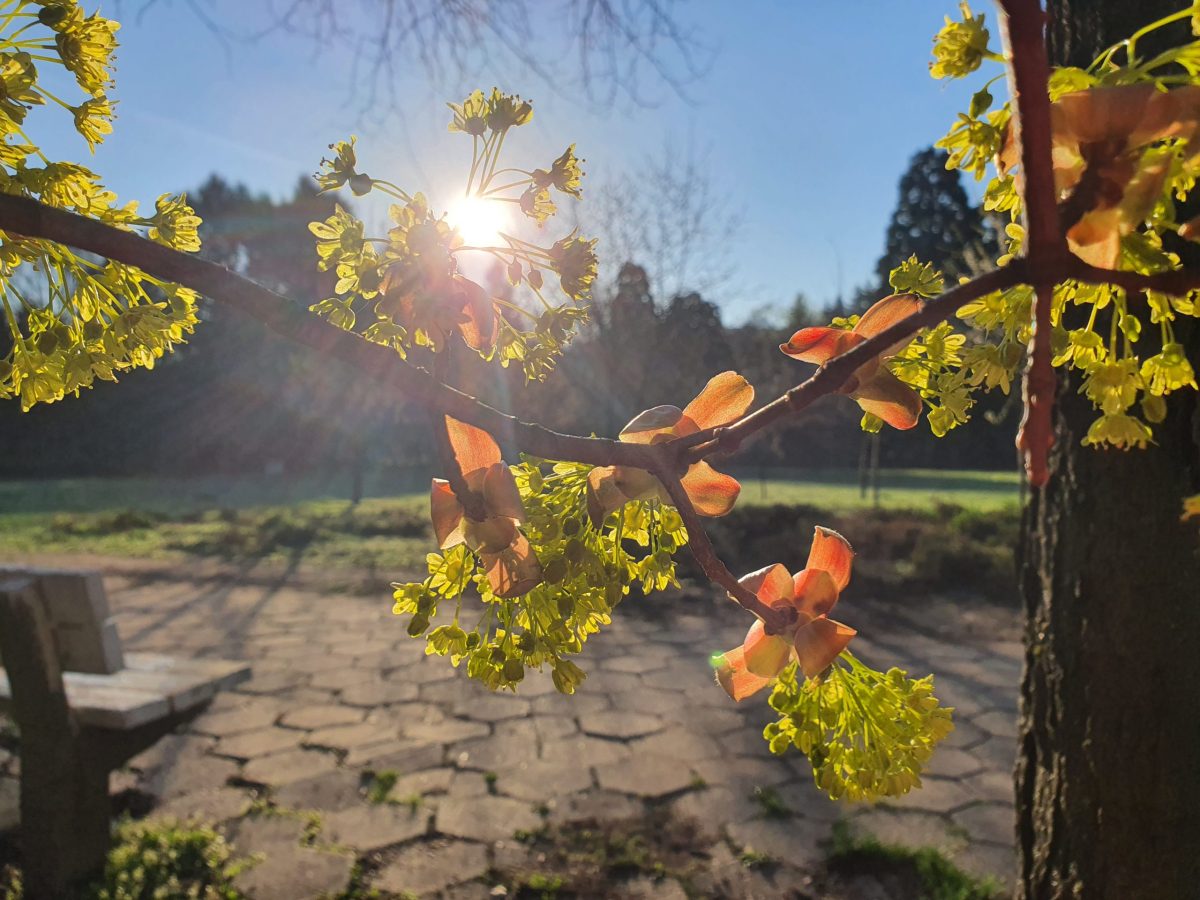
May the month of May remind you that there are orders which do not limit love, but allow it to blossom.
In the spirit of love and reconciliation
Ursula |